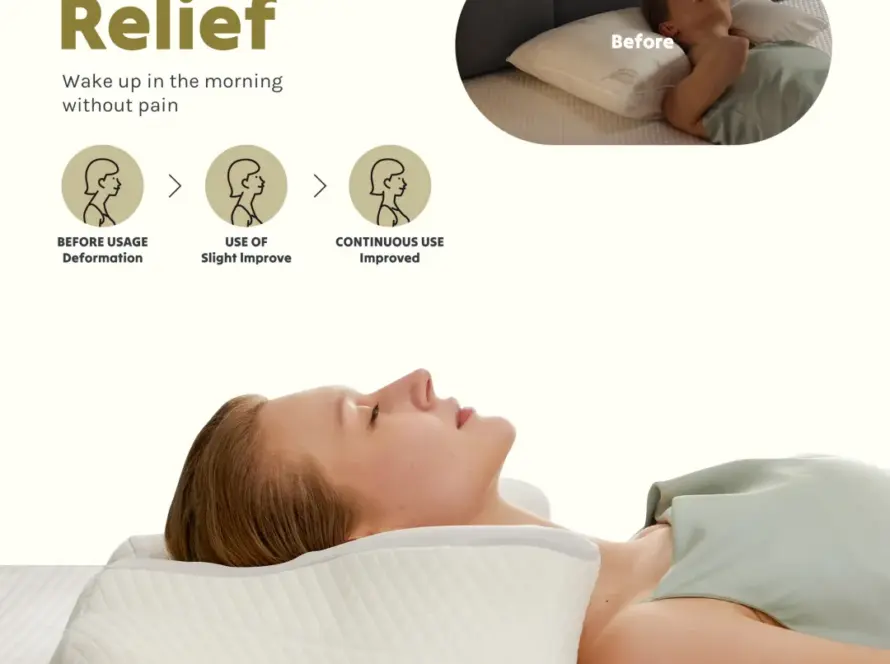


Discover pillowcase pillows
If you experience lingering neck pain, you might be surprised at how much relief a well-chosen pillowcase pillow can offer. Often called an orthopedic pillow, a pillowcase pillow uniquely targets the support your head, neck, and shoulders need for proper alignment. When your spine rests in neutral alignment, muscles can relax and tension eases, potentially reducing neck stiffness and discomfort.
Before diving into how a pillowcase pillow works, it helps to understand the role your everyday pillow may be playing in your physical well-being. Most standard pillows are chosen for comfort alone, yet they fail to support the natural curve of your neck. This can lead to awkward angles and pressure points that contribute to ongoing pain.
By contrast, a pillowcase pillow often includes materials and shapes carefully designed to cradle your neck. Memory foam or other supportive fill helps maintain a consistent level of firmness, so your head stays aligned with your spine even as you move in your sleep. When paired with a suitable pillowcase that fits snugly and stays in place, you can experience a noticeable difference in how you feel every morning.
Explore neck pain triggers
Neck pain doesn’t just happen out of nowhere. It can stem from a number of lifestyle factors and habits you might not even realize are affecting you. Identifying these triggers is an important step toward figuring out why your pillow might be contributing to neck issues.
- Poor posture during the day: If you spend long hours hunched over a desk, scrolling on your phone, or simply slouching at the dinner table, you place extra strain on your neck.
- Inconsistent sleep positions: Switching back and forth between your side, back, and stomach without proper head and neck support can amplify misalignment and stiffness.
- High or low pillow loft: A pillow that’s too tall tilts your head forward, while one that’s too flat lets it sink, creating an unstable angle for your neck.
- Worn-out bedding: Over time, pillows lose their shape, causing your neck to sag or tilt. Old mattresses contribute to the problem too, by failing to support your entire body.
- Stress and muscle tension: Stress makes you clench your muscles, including those in your neck and shoulders. This tension can be exacerbated if your pillow doesn’t support a relaxed position.
By making conscious adjustments in your daily habits and choosing a supportive pillowcase pillow at night, you can help correct some of these common causes of neck pain.
Improve alignment with pillowcase
Choosing a pillowcase pillow might feel like just another sleep accessory, but the right design can significantly improve the alignment of your spine. When your head is supported at the correct height, the muscles and ligaments in your neck aren’t strained. Here’s how pillowcase pillows help with alignment:
They promote neutral posture
A pillowcase pillow typically has a contoured shape or stable fill that helps keep your neck in line with your head and shoulders. In a neutral posture, your vertebrae stay stacked instead of bending forward or backward. This position is critical for allowing your neck and upper back muscles to rest properly during sleep.
They reduce pressure points
Standard pillows might force your head into a single position that exerts pressure on sensitive spots. In contrast, foam-based or adjustable-fill pillowcase pillows cushion pressure points and distribute weight evenly. Reducing these pressure points often lessens morning aches.
They provide consistent support
Not all pillows regulate their height well through the night, especially if they’re filled with feathers or down. A pillowcase pillow with memory foam or other stable materials won’t collapse under your head’s weight. Instead, it remains consistently firm, so you don’t wake up with your neck misaligned.
They adapt to different sleeping styles
If you’re the kind of person who falls asleep on your side but wakes up on your back, a good pillowcase pillow is designed to accommodate multiple positions. You’ll find variations with specialized contours for side sleeping and adjustable inserts for back sleeping. When combined with a pillowcase that holds everything firmly in place, you can stay supported even if you shift positions.
Choose the ideal pillowcase
Shopping for the right pillowcase pillow can be overwhelming. The market is filled with countless options, from classic memory foam to elaborate contoured shapes. When you’re selecting a pillowcase pillow, consider these factors:
Material and fill
- Memory foam: Known for contouring to your head and neck, memory foam is a popular choice for stable, even support.
- Latex: Offers a bit more bounce and usually retains its shape well over time, making it a solid pick if you want resilience.
- Buckwheat or natural fills: Provides adjustable support and good airflow. If you prefer a more natural fill, you might appreciate how this option molds to your neck.
Firmness level
- Soft: Might feel cozy at first, but can flatten quickly, failing to provide adequate support.
- Medium-firm: A balanced option for many people because it allows some give while maintaining structure.
- Firm: Better for sleepers needing extra support or those with broader shoulders who require more loft to keep the neck from sagging.
Loft (pillow height)
- Low loft: 3 inches or less. Suited for stomach sleepers or people who need minimal elevation.
- Medium loft: 3 to 5 inches. Works well for most back and side sleepers.
- High loft: 5 inches or more. A good choice for sleepers who need substantial neck elevation or have a larger frame.
Size and shape
- Standard, queen, or king: The width matters less than the height, but pick the length that fits your bed so the pillowcase doesn’t shift around.
- Ergonomic contours: Some pillowcase pillows have a raised ridge for the neck area or a concave center for the head. These specialized features support alignment if you’re struggling with ongoing neck pain.
Pillowcase material
- Breathable fabrics: Cotton or bamboo blends allow air to circulate, helping you stay cool at night.
- Moisture-wicking: If you tend to sweat, look for pillowcases with moisture management.
- Hypoallergenic finishes: If you’re prone to allergies, choose a pillowcase designed to resist dust mites and other allergens.
When you’re done narrowing down your preferences, measure your current bed setup to make sure your new pillow fits. You’ll want enough space on the mattress to position yourself comfortably without your head rolling off the edge.
Maintain your pillowcase
Proper upkeep can extend the lifespan of your pillowcase pillow so you can continue to enjoy stable, comfortable support night after night. Here’s how to keep it in top shape:
Clean according to instructions
Most foam-based pillowcase pillows come with removable covers. Check the care label to see whether those covers can go in the washing machine. For the pillow’s core, spot-cleaning with mild detergent is often enough. Avoid soaking any foam inserts, because excessive moisture can lead to mold or mildew growth inside the pillow.
Air out your pillow
Your pillow might pick up odors or moisture from nightly use. Every couple of weeks, place the pillow in a well-ventilated area or under indirect sunlight. Fresh air helps evaporate any built-up moisture and keeps your pillow smelling fresh.
Rotate or fluff regularly
Even a high-quality memory foam pillow benefits from regular rotation. That means flipping it end-to-end or front-to-back every few weeks. If your pillow is adjustable or filled with shredded foam, fluff it gently to restore its shape. This small step helps maintain even support.
Use a protective cover
A protective cover under your regular pillowcase prevents sweat, allergens, and oils from seeping into the pillow, lengthening its life. Look for covers specifically tailored to maintain breathability so you don’t trap heat around your head.
Replace when needed
No pillow lasts forever. If you start noticing lumps, sagging, or persistent odor that doesn’t go away with cleaning, it’s time for a replacement. Most pillowcase pillows perform best for about one to two years, but high-quality options can remain supportive a bit longer.
Try neck pain tips
While a supportive pillowcase pillow can make a remarkable difference in how your neck feels, you gain the most relief by pairing it with healthy habits. Consider these simple tips:
-
Practice good posture
Remind yourself to keep your shoulders back and head aligned with your spine throughout the day. Whether you’re sitting at the office or scrolling on your phone, avoid hunching over. -
Adjust your sleep position
- Side sleepers: Tuck a small pillow or rolled-up towel between your knees. This step keeps your hips level, which helps maintain spinal alignment all the way up to your neck.
- Back sleepers: Bring your head slightly back so your chin isn’t jutting forward. A medium-loft pillowcase pillow often works best to keep your neck stable.
- Stomach sleepers: This position can twist your neck uncomfortably. If you’re an ingrained stomach sleeper, choose a thin pillow or consider gradually training yourself to sleep on your side or back.
-
Take regular breaks
If you sit at a computer or hold your phone for hours, take short breaks to roll your shoulders and gently stretch your neck. These micro-breaks encourage better posture and reduce muscle fatigue. -
Incorporate neck stretches
Add simple neck stretches into your morning and bedtime routines. Slow, deliberate motions—like gently tilting your head side-to-side—can keep your neck muscles flexible. -
Evaluate your bedroom setup
Make sure your mattress supports your entire body. If you’ve invested in a new pillow but your mattress is sagging, your spine can still be thrown off balance. A firm or medium-firm mattress generally pairs well with a supportive pillowcase pillow to promote neutral posture.
Frequently asked questions
1. Can a pillowcase pillow completely cure my neck pain?
A well-designed pillowcase pillow can significantly reduce or alleviate neck pain by promoting proper spine alignment and diminishing muscle tension. However, the cause of your pain might be multifaceted, involving posture, daily activities, or underlying conditions. You’ll get the best results by pairing your pillow with healthy lifestyle changes and consulting a healthcare professional if your pain persists.
2. How do I know if my current pillow is the problem?
You might notice morning stiffness, headaches, or persistent discomfort that eases after you’re fully awake and moving. Another clue is the condition of your pillow itself. If it’s lumpy, visibly sagging, or loses shape overnight, it’s not giving you the consistent support you need.
3. Is memory foam the only option for a pillowcase pillow?
Not at all. While memory foam is popular for its contouring support, there are pillowcase pillows made from latex, shredded foam blends, or even specialized fiber fills. The key is finding something that can retain height and shape throughout the night, keeping your neck in a neutral position.
4. Can I still use decorative pillowcases with a pillowcase pillow?
Yes. Once you find a pillowcase pillow suited to your needs, you can dress it up with any decorative or matching pillowcase. Just ensure the decorative cover fits snugly and isn’t so tight that it forces the pillow into an odd shape. You can also place a moisture-wicking or protective cover directly over the pillow, then layer your decorative pillowcase on top for style.
5. Do neck stretches really work along with the pillow?
Simple neck stretches can help loosen tight muscles, reducing pain and tension. When used in combination with a well-supported sleeping posture, neck stretches can boost flexibility and comfort. Over time, you’ll likely notice better range of motion and fewer morning aches.
Review key takeaways
- Recognize neck pain triggers. Hunching over screens, poor sleep positions, and old bedding can all contribute to tension.
- Invest in proper alignment. A pillowcase pillow, sometimes called an orthopedic pillow, cradles your neck and promotes a healthy spine posture.
- Select the right fill and loft. Memory foam is a popular choice, but latex and other fills can also keep your head at the ideal height.
- Maintain your pillow. Clean the pillow’s cover regularly, air it out, and replace it when it no longer holds its shape.
- Adopt healthier habits. Combine a supportive pillow with good posture, stretches, and regular breaks from sitting to protect your neck.
Your pillow isn’t just a soft spot for your head—it can be a powerful tool for reducing and preventing neck pain. By switching to a well-fitting pillowcase pillow designed to align your vertebrae, you’ll give your neck the support it needs. If you combine this simple swap with better daily posture and occasional neck stretches, you’ll likely notice less morning stiffness and fewer aches. And once you find the right fit, you’ll be wondering why you didn’t upgrade sooner. Sleep well.