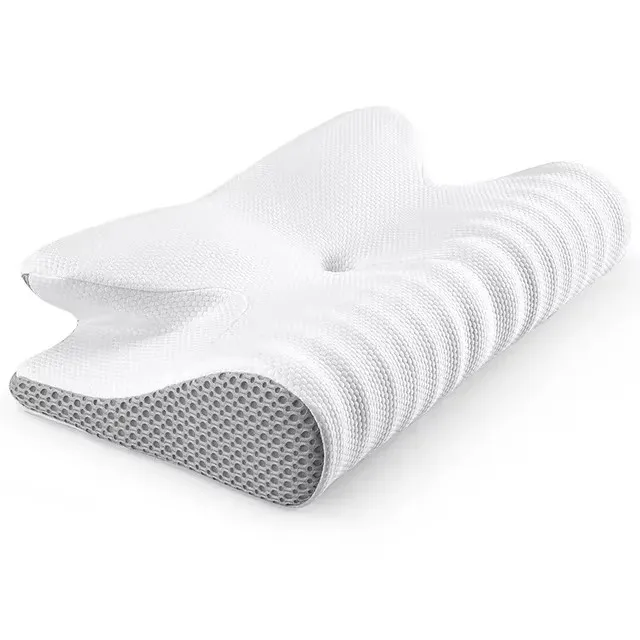


If you’ve been curious about trying a buckwheat pillow to help with your neck or back pain, you’re not alone. Many people in North America are turning to this unique option for better support at night. Buckwheat pillows are sometimes considered a type of orthopedic pillow because they conform to the shape of your head and neck, helping you maintain comfortable alignment. In this ultimate guide, you’ll discover how these pillows are made, how they stand apart from other pillow types, and how to choose and care for one so you can enjoy more restful sleep.
Understand the buckwheat pillow
The foundation
A buckwheat pillow is filled with small hulls, which are the outer shells of buckwheat seeds. You can think of these hulls as tiny, lightweight beads that move and shift to cradle your head. When you rest on a buckwheat pillow, the hulls redistribute their weight to provide firm yet customizable support.
Because of its unique fill, a buckwheat pillow typically feels different from memory foam or feather pillows. It’s crunchier to the touch and slightly heavier. However, once you adjust to the feeling, you’ll find that this pillow’s adaptability helps support the natural curve of your neck and spine.
The orthopedic advantage
Buckwheat pillows often appear in orthopedic pillow recommendations because they can reduce the strain on pressure points. The hulls provide uniform support across the broader surface of your neck and shoulders. If you’re used to a pillow that flattens out or bunches up in odd ways, you might be surprised how resilient a buckwheat pillow is. Instead of sinking too much or creating lumps, it retains a supportive structure as you move.
Many chiropractors and sleep specialists point out that spinal alignment is critical for restful, pain-free sleep. A buckwheat pillow’s pliable hull fill helps you find the right balance of lift and cushion, so you can maintain healthy alignment all night long.
Key benefits of a buckwheat pillow
Eases neck and back tension
Do you wake up with a stiff neck or shoulders? A buckwheat pillow can help distribute the weight of your head in a way that takes pressure off your cervical spine. When your spine stays in a neutral position, you’re less likely to develop strained muscles or joint discomfort. Even if your posture needs improvement, sleeping on a supportive pillow can take some of the burden off your neck and upper back.
Promotes breathability
Because the hulls have pockets of air between them, buckwheat pillows allow air to flow more freely than many synthetic fills. If you tend to sweat or feel overly warm at night, switching to a breathable pillow could make a real difference in your comfort. This airflow also helps reduce odor buildup and allows moisture to evaporate instead of seeping into the fill.
Eco-friendly option
Buckwheat hulls are a natural, renewable resource. They come from a plant that doesn’t typically require harsh chemicals or synthetic fertilizers to thrive. As a result, a buckwheat pillow offers an eco-friendly choice if you prefer to reduce your home’s reliance on non-biodegradable, petroleum-based materials. Plus, you can replace or replenish the hulls over time, which further extends the life of your pillow and reduces waste.
Long-lasting durability
Unlike feather or foam pillows that may lose loft or become permanently creased, a buckwheat pillow can last for years with proper care. The hulls don’t compress the same way fibers do, so you’re less likely to end up with a pillow that flattens out. If you notice your pillow isn’t as full as before, you can simply add more hulls to restore its height and firmness.
Who should use it
People who experience neck, shoulder, or upper back discomfort can find relief with a buckwheat pillow’s firm, adaptive support. It’s also a great match for side sleepers who need more loft to maintain straight neck alignment. If you’re a back sleeper, you can remove some hulls to lower the pillow’s height. Even stomach sleepers can adjust the amount of fill to create a flatter surface. Essentially, the customizable nature of buckwheat hulls means nearly anyone can tailor these pillows to their own comfort needs.
You might also be interested in a buckwheat pillow if you:
- Prefer natural or organic bedding materials
- Want a pillow that feels cool to the touch
- Appreciate functional, long-lasting products
- Are open to trying a different kind of nighttime experience
How it compares to other pillows
Not quite sure whether a buckwheat pillow is right for you? Here’s a quick look at how it stacks up against other popular types:
| Pillow Type | Key Fill Material | Firmness & Support | Breathability | Durability & Lifespan |
|---|---|---|---|---|
| Buckwheat Pillow | Buckwheat hulls | Firm, adjustable | Excellent airflow | High, can last for several years |
| Memory Foam | Polyurethane foam | Contouring, moderate firm | Less breathable | Good, typically 2-3 years |
| Feather Pillow | Down or feathers | Soft, can feel uneven | Moderate | Moderate, may need frequent fluffing |
| Latex Pillow | Natural or synthetic latex | Firm yet bouncy | Decent airflow | Good, but may degrade over time |
| Polyester Pillow | Synthetic fiber fill | Soft, flattens over time | Often poor | Shorter lifespan |
Buckwheat pillows rank higher for overall breathability than memory foam and can be a wonderful solution if you live in a warmer climate. While you might need a little time to get used to the rustling sound the hulls make, you may quickly discover the benefits are worth that minor adjustment.
Choose your ideal type
Consider the size
Buckwheat pillows come in various sizes, like standard, queen, and king. The best size ultimately depends on your personal preference and the dimensions of your bed. Keep in mind that a larger pillow will hold more hulls and weigh more, a factor to consider if you plan to move your pillow around frequently.
Check hull quality
Look for pillows filled with clean, dust-free buckwheat hulls. Some brands thoroughly vacuum or rinse the hulls to remove debris. High-quality hulls have a uniform shape and are free of odors or contaminants. You can also decide whether you want organically grown hulls, depending on how important that is to you.
Fill level matters
Since you can remove or add hulls, some pillows come with extra hulls so you can customize your fill. If you have narrower shoulders, you may want fewer hulls to keep the pillow from feeling too tall. For broader shoulders, you might need more hulls to maintain comfortable neck alignment. Experiment to see what level of fill feels best for you.
Mind your budget
Buckwheat pillows can cost more compared to basic synthetic pillows. However, when you consider how long they typically last, you might find the investment worthwhile. If you’re on a tight budget, compare prices by looking for sales or by checking whether the brand offers a trial period. A trial period can give you time to determine if this pillow is truly a good fit.
Use your pillow effectively
Adjust the fill
When you first get your buckwheat pillow, unzip the cover and remove or add hulls to find the level of loft that supports your neck in a straight alignment. You’ll want your head, neck, and spine to form a line that doesn’t bend at an odd angle. Give yourself a few nights to experiment, because the right amount of hulls is not the same for everyone.
Break it in gently
If the rustling noise feels a bit distracting at first, try pressing firmly on the pillow to flatten the hulls a little. This process can help reduce any stiffness in the hulls, making them quieter and more malleable. With regular use, the hulls will become less noisy as they settle.
Maintain good posture
Even with a supportive pillow, be mindful of your overall sleeping posture. Sleeping on your back or side can generally reduce tension in your neck and shoulders. If you’re usually a stomach sleeper and find you’re straining your neck, consider using a slightly lower fill profile to try side sleeping or back sleeping more comfortably.
Care for your buckwheat pillow
Clean the cover
While the hulls themselves cannot be machine washed, the outer casing usually can. Before washing, unzip the pillow and empty the hulls into a clean container or bag. Wash the cotton or linen casing according to the label instructions, then let it dry thoroughly before refilling with hulls. If you prefer, you can spot-clean any minor stains without removing all the hulls.
Refresh the hulls
Over time, hulls may break down or lose some of their shape, especially if you frequently shift and compress them. You can replace a portion of the older hulls with fresh ones to keep your pillow feeling springy and supportive. Some brands sell hull refills, which makes it easy to restock.
Store properly
If you decide to change pillows or store your buckwheat pillow for a while, make sure it’s in a breathable bag or container. Avoid storing it in humid or damp conditions, since moisture can damage the hulls. Keeping the pillow in a well-ventilated space will help it maintain freshness and prolong its lifespan.
Frequently asked questions
-
Will a buckwheat pillow make noise at night?
Buckwheat hulls do create a slight rustling sound when they move. However, most people say the noise fades after a brief adjustment period. The rustling typically decreases as the hulls settle over time. -
Are buckwheat pillows too firm?
They do have a firmer feel than many fiber or down pillows. The advantage is that you can remove or add hulls to create a firmness level that feels right for you. This adjustability sets buckwheat pillows apart from one-size-fits-all pillows that you can’t alter. -
Do they cause allergies?
Buckwheat hulls themselves are generally considered hypoallergenic because they don’t harbor dust mites as easily as some other materials. Still, if you have severe allergies, look for pillows made with hulls that have been carefully cleaned. You can also use an allergy-proof pillow cover for added peace of mind. -
How long will a buckwheat pillow last?
With proper care, a good-quality buckwheat pillow can last several years, sometimes longer than other pillow types. Because you can buy fresh hulls when needed, you won’t have to replace the entire pillow. That said, if you notice the hulls are wearing out or the pillow doesn’t feel as supportive, it might be time to refresh or replace them. -
Is there a break-in period?
Yes. You might find the pillow feels a little stiff or makes noticeable noise the first few nights. As you use it, the hulls settle and become quieter. Many people find it takes about a week of nightly use to fully adjust to a buckwheat pillow’s feel and sound.
In the end, a buckwheat pillow is about creating a sleep environment tailored to your unique shape and preferences. By experimenting with the fill level and position, you can find a balance of softness and support that helps your neck and spine stay aligned. Whether you’re dealing with occasional neck pain or you simply crave a cooler, more eco-friendly pillow, a buckwheat pillow could be a welcome addition to your nighttime routine. Give it a try and see if it offers the comfort and relief that have made these pillows a go-to choice for so many sleepers seeking better rest.