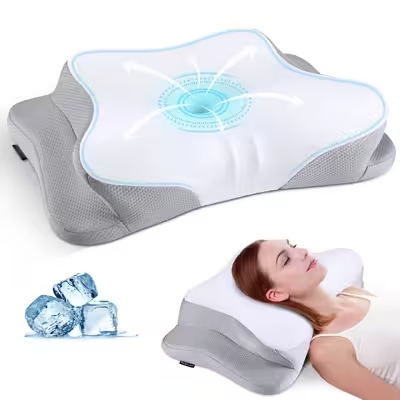


Natural, restful sleep is one of the biggest factors in feeling energized and staying healthy. If you have ever tossed and turned all night or woken up with a stiff neck, you know never to underestimate the power of a good pillow pillowcase. Choosing the right combination for your orthopedic pillow can significantly boost your sleep quality, helping you wake up refreshed every morning. In this ultimate guide, you will discover how a well-suited pillow pillowcase works with your orthopedic pillow to support your head, neck, and spine, and see the best ways to maintain your setup long-term.
Understand why pillow pillowcase matters
When you invest in an orthopedic pillow, you expect relief from neck pain, better alignment, and deeper rest. However, a pillow without the right pillowcase can feel uncomfortable or fail to do its job. The pillow pillowcase you choose is more than a decorative slip. It protects the filling from dust and oils, influences how the pillow contours to your body, and has a noticeable effect on temperature regulation.
A good pillow pillowcase must do the following:
- Breathe comfortably so you do not wake up sweaty or overheated.
- Provide a snug fit without compressing the pillow’s fill.
- Protect your pillow’s surface from dirt and allergens.
- Complement the pillow’s shape and orthopedic properties.
Simple as it might seem, finding a suitable pillow pillowcase for your orthopedic pillow means picking the right materials, size, and style so that the unique shape or contouring features are not compromised. With the proper selection, you can reduce discomfort during sleep, minimize night sweats, and keep your pillow fresh for longer.
Recognize your sleep needs
Before choosing your pillow pillowcase, take a moment to evaluate your sleep habits, health concerns, and personal preferences. These factors may influence which type of orthopedic pillow you choose and how your pillow pillowcase can support it.
Identify your common pressure points
Do you experience pain in your neck or shoulders? Perhaps you wake up with tension in your upper back. These pressure points are often aggravated by either a poorly fitted pillow or an improper sleeping surface. An orthopedic pillow aims to cradle your head and neck in alignment with your spine, but if the pillow pillowcase feels stiff or too drapey, it can interfere with that contouring effect.
Assess your temperature tendencies
If you often get too hot at night, you will want a light, breathable pillow pillowcase that wicks away moisture. Natural fibers such as cotton or bamboo blends tend to be more breathable compared to synthetic materials. If you are sensitive to cold spots, a slightly thicker material can help keep you warm without trapping excessive heat.
Consider allergies or sensitivities
For individuals prone to allergies, a hypoallergenic pillow pillowcase can play a crucial role in maintaining a healthy sleep environment. It will protect your orthopedic pillow from dust mites, dander, and other common triggers. Look for materials labeled as hypoallergenic and allergen-resistant.
Consider materials for comfort
When it comes to pillow pillowcase fabrics, you have plenty of options. Each material feels different, manages temperature in its own way, and can either enhance or reduce the supportive properties of your orthopedic pillow. Here are some popular choices.
Cotton
Cotton is likely the most common pillowcase material. It is breathable, soft to the touch, and easy to wash. You can find it in various thread counts, giving you control over texture and durability. If you sleep warm, a light cotton pillow pillowcase is a consistent performer.
Bamboo
Bamboo blends are growing in popularity for their moisture-wicking and hypoallergenic qualities. Bamboo pillow pillowcases are often silky and cool to the touch, which can be a welcome relief if you sweat during the night. This material is also known for its eco-friendly process, so if sustainability matters to you, it is a solid choice.
Silk
Silk is luxuriously smooth and offers excellent resistance to dust mites. On the plus side, it helps your skin retain moisture and can minimize hair frizz or breakage. However, silk pillow pillowcases can be pricier than other materials and require gentle washing.
Satin
Slightly more affordable than silk, satin still shares many of silk’s benefits, including reduced friction on your hair. Some people prefer satin’s texture if they want less slip than silk provides. It can also be a good option for combination sleepers who appreciate a balance of smoothness and convenience.
Microfiber or polyester blends
If you need a budget-friendly, wrinkle-resistant pillow pillowcase, consider microfiber or polyester blends. Many are designed to resist stains and minimize wrinkling, but be aware that these synthetic materials may trap heat more than cotton or bamboo. If you run hot or live in a warm climate, you might want to choose a more breathable fabric.
Select the right size for support
Orthopedic pillows do not always follow standard pillow dimensions. Some are contoured, wedge-shaped, or have bolsters around the edges. The pillow pillowcase you choose must fit these unique shapes to maintain the pillow’s structural integrity and the supportive benefits it provides.
Measure your orthopedic pillow
Measure your pillow’s length, width, and depth, especially if it has a unique shape. Compare these measurements to the product specifications of your potential pillow pillowcase. A case that is too tight will compress the pillow incorrectly, while one that is too loose can bunch up or slip off during the night.
Match the shape
If your orthopedic pillow is contoured for neck support, you may need a specially shaped pillow pillowcase that has the same curves. Meticulously shaped pillowcases ensure you do not lose the ergonomic alignment your pillow offers. Using a generic case might negate the original design’s purpose.
Look for adjustable features
Some specialized pillow pillowcases include zippers or stretchy side panels. These give a more tailored fit and facilitate removing the cover for washing. Zippers also stop the pillow from escaping the case if you toss and turn, helping prolong the pillow’s lifespan.
Maintain your pillow pillowcase
Proper bedding hygiene is vital to ensuring you sleep safely and comfortably. Once you have found your perfect pillow pillowcase, it is equally important to know how to protect it from wear and tear. This not only keeps it clean, but also extends the life of both your pillow and case.
Wash regularly and gently
Follow the instructions on the label for temperature settings and recommended detergents. In most cases, you can wash your pillow pillowcase in warm water with mild detergent. Do not overfill your machine or tangle your cases with heavy garments. Gentle handling helps maintain the fabric’s shape and texture.
Dry with care
Clothes dryers can overheat delicate materials, particularly silk or satin. If you do machine-dry, use a low setting or remove the cover while slightly damp and let it air-dry. This approach keeps your pillow pillowcase fresh without weakening the fibers.
Rotate when possible
It might feel natural to keep using the same pillow pillowcase you love every single day. However, having at least two cases to rotate can reduce the frequency of washes and preserve each case’s condition. This strategy also allows you to swap out a heavier pillowcase in winter for a lighter one in summer if temperature control becomes an issue.
Focus on orthopedic pillow synergy
Having an orthopedic pillow is already an excellent step when you are aiming for better spine alignment. The right pillow pillowcase elevates this benefit by ensuring that the contours and support features remain unobstructed. Without a properly fitted case, you risk flattening crucial support regions or creating bunching near your neck.
Align your spine
When using an orthopedic pillow, your first goal is to keep your spine in a neutral position. Your pillow pillowcase plays a vital role in that. A case made from flexible, form-fitting fabric will allow the pillow to cradle your head without restricting its unique shape. You will have better posture during sleep and less strain on your upper body.
Address neck and shoulder discomfort
If you sleep on your back, focus on how your pillow’s slope meets the back of your neck. With a carefully chosen pillow pillowcase, the pillow’s curved design will feel smooth and consistent against your skin. If you sleep on your side, the case ensures consistent support under your neck without rough seams poking or generating pressure points.
Keep an eye on head movement
Your pillow pillowcase can either add too much friction or be so slick that your head slides around. Test different materials to determine which level of slip and grip keeps your neck feeling relaxed. Too much friction can lead to restless turning, while a slick surface might cause your head to move out of alignment.
Troubleshoot common sleep issues
By now, you know that pillow pillowcase selection is not a trivial matter. Even if you have found a pillow and case you love, you might still run into typical sleep problems. Here are a few potential concerns and some quick fixes.
| Symptom | Possible Cause | Quick Fix |
|---|---|---|
| Waking up with neck stiffness | Pillow or pillowcase compressing pillow’s fill | Ensure the case fits properly, consider a contour-friendly design |
| Excessive sweating at night | Pillowcase material traps heat | Switch to breathable fabrics like cotton or bamboo |
| Pillow slipping out of cover | Pillow pillowcase too loose or missing closure | Opt for a zipper-closure or elastic-edged pillow pillowcase |
| Persistent allergy flare-ups | Pillowcase not hypoallergenic | Choose allergen-resistant materials, wash more frequently |
| Lumpiness or uneven support | Pillow pillowcase bunching or shifting | Adjust the fit, look for a case that snugly conforms to the pillow shape |
Frequently asked questions
Below are five frequently asked questions about using an orthopedic pillow with the perfect pillow pillowcase.
-
How often should I wash my pillow pillowcase?
You will want to wash your pillow pillowcase at least once a week to remove sweat, oils, and skin debris that accumulate overnight. If you have allergies or live in a hot climate, consider washing it twice a week to maintain a hygienic surface. -
Can a pillow pillowcase fix my neck pain?
While a pillow pillowcase alone cannot cure neck pain, using one that fits your orthopedic pillow snugly aids in preserving the pillow’s structure. This helps keep your neck aligned properly. The combination of a well-designed pillow and a compatible case can reduce pain over time, but you may wish to consult a healthcare professional if your pain persists. -
What is the best fabric for night sweats?
Natural fibers—such as cotton, bamboo, or a bamboo blend—tend to absorb moisture more effectively and promote airflow. If you are prone to night sweats, look for a lightweight pillow pillowcase that can help regulate temperature without trapping too much heat. -
Do I need a specially shaped pillow pillowcase?
If your orthopedic pillow features contours or a unique shape, you might need a specially shaped case. Using a standard rectangle or square case could compress the pillow’s strategic design. A dedicated contoured cover ensures you keep the orthopedic benefits that align your head, neck, and shoulders. -
How can I avoid wrinkles on the pillow pillowcase?
To prevent wrinkles, remove the pillow pillowcase from the dryer when it is just slightly damp and give it a gentle shake. Then either air-dry it completely or use a low-heat setting if you prefer a crisper feel. Fabrics like microfiber or polyester blends wrinkle less than cotton or linen.
Key takeaways
- A proper pillow pillowcase preserves the supportive design of your orthopedic pillow, minimizing neck or shoulder pain.
- Pay attention to fabric type. Cotton and bamboo are breathable, silk and satin reduce friction on hair and skin, and microfiber provides an affordable, low-maintenance option.
- Size and shape matter, especially for contoured orthopedic pillows. A snug fit that follows the pillow’s curves is crucial to maintaining comfort.
- Regular washing and gentle drying keep your pillow pillowcase in great condition. Use hypoallergenic materials if you are prone to allergies.
- Experiment with different materials to find one that balances temperature regulation, support, and personal preference.
By choosing the right pillow pillowcase for your orthopedic pillow, you are well on your way to deeper, restorative sleep. Start by assessing your pain points, temperature needs, and the shape of your pillow. Then, pick a material that complements your comfort preferences and lifestyle. When you maintain your pillow and pillowcase properly, you will enjoy night after night of high-quality rest and wake up feeling more capable to take on the day.