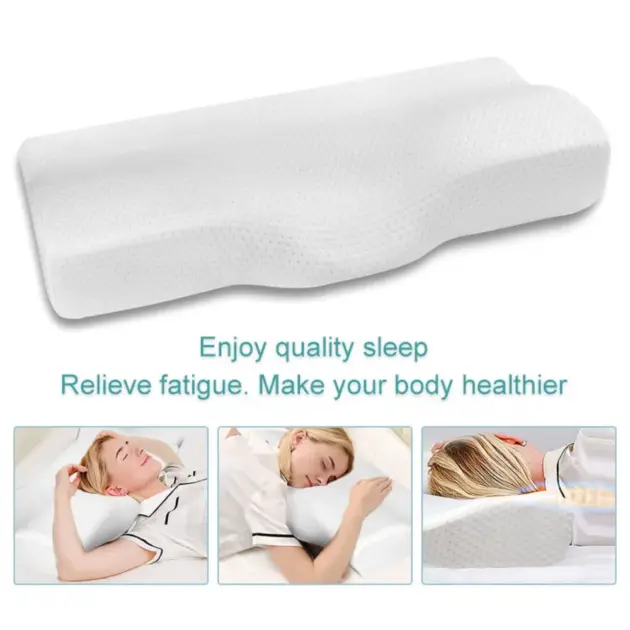


Do you ever find yourself searching for pillows to cover your nightly aches and pains, only to wake up feeling just as stiff as before? The right orthopedic pillow can make all the difference between tossing and turning and blissful, pain-free rest. Orthopedic pillows come in many shapes, sizes, and materials, but they all strive to provide the support your body needs for proper spinal alignment. Below, you will discover how to choose, use, and maintain an orthopedic pillow so you can enjoy restful nights and energized mornings.
Understand orthopedic pillows
What is an orthopedic pillow?
An orthopedic pillow is designed to support your head, neck, and upper back so that your spine remains in neutral alignment during sleep. You may have heard that a typical pillow suffices, but if you experience chronic neck pain, headaches, or shoulder tension, an orthopedic option offers specialized contours to cushion the natural curvature of your body. By promoting healthier posture, these pillows help reduce strain on pressure points that can lead to discomfort and sleepless nights.
Key benefits of orthopedic pillows
- Alleviates neck and shoulder tension by keeping your spine aligned.
- Helps prevent headaches triggered by poor sleeping posture.
- May reduce snoring by slightly elevating your head and opening up airways.
- Improves overall sleep quality and helps you wake up feeling more refreshed.
When should you consider trying one?
- Persistent neck or shoulder stiffness every morning.
- Pain that radiates down your back or bounces between your upper spine and head.
- Unrestful nights where you spend more time adjusting your position than actually sleeping.
If any of these scenarios sound familiar, you might find relief in orthopedic pillows to cover your need for targeted support, especially when standard pillows simply don’t cut it anymore.
Recognize different pillow types
Orthopedic pillows come in several forms, each with unique design elements tailored to relieve specific sleeping discomforts. Understanding the basic shapes and their intended uses is an excellent first step toward finding a pillow that works best for you.
Contour pillows
Contour pillows typically have a valley in the center to cradle your head and two raised edges at differing heights.
- Ideal for side or back sleepers who need extra support around the neck.
- Provides a structured shape that reduces pressure points.
- Encourages consistent positioning of your head and shoulders throughout the night.
Cervical pillows
Cervical pillows are designed with a gentle hump (or roll) underneath your neck curve, offering snug support where you need it most.
- Excellent for alleviating chronic neck stiffness and tight shoulders.
- Helps maintain a straight line from your spine to your head.
- Often used by physical therapy patients or individuals who frequently wake up with neck pain.
Wedge pillows
Wedge pillows have an angled design that positions your upper body at a gradual incline.
- Commonly recommended for acid reflux, snoring, or respiratory issues.
- Can be used under your legs to improve circulation and relieve lower back pressure.
- Provides versatility for reading or elevating aches in other parts of the body.
Find the right materials
While the shape of your orthopedic pillow significantly impacts your comfort, the material also plays a key role in how it feels, regulates temperature, and supports your spine. Different fillings offer varying degrees of firmness, contouring, and breathability.
Memory foam
Memory foam pillows offer a plush yet supportive feel. They contour to the shape of your body while distributing weight evenly across the pillow’s surface.
- Responsive support that cushions your head and neck.
- Retains warmth, which might be beneficial in cooler climates but could feel too hot in warmer regions.
- Often treated with cooling gels or perforations for better ventilation.
Latex and natural fillings
Latex pillows, whether synthetic or derived from natural rubber, are known for their durability and breathability. Natural fillings, like buckwheat or feathers, can also deliver support but with a unique feel.
- Latex pillows tend to be more breathable than solid memory foam.
- They offer a bouncier, springier support that can ease pressure points without feeling too soft.
- Buckwheat pillows are adjustable, letting you redistribute the hulls to customize desired firmness. However, they can feel heavier than other types.
Position yourself for comfort
A suitable orthopedic pillow is only part of the equation. Your sleeping position also has a big impact on the effectiveness of any pillows to cover your comfort needs. Whether you prefer your back, side, or stomach, understanding proper alignment goes a long way in preventing aches and pains.
Back sleeping
For back sleepers, it’s crucial to keep your head and neck in line with your spine.
- Opt for a medium-firm orthopedic pillow that supports the natural curve of your neck.
- Consider adding a small knee pillow to keep your lower back from arching.
- Ensure the pillow’s loft isn’t too high, or your chin may tilt forward and strain your neck.
Side sleeping
Side sleepers often experience shoulder pressure if the pillow isn’t thick or supportive enough.
- Choose a contoured or cervical pillow with higher loft at the bottom to fill the space between your neck and the mattress.
- Keep your spine neutral by aligning your head with the center of your pillow.
- Tuck a small pillow between your knees to minimize hip strain.
Stomach sleeping
Stomach sleeping can put significant pressure on your neck and back, but some people find it more comfortable than any other position.
- Look for a softer, low-loft orthopedic pillow that avoids forcing your neck into a backward arch.
- Try occasional positional changes, like placing a thin support under your pelvis to ease lower-back tension.
Maintain and care properly
When you invest in pillows to cover your orthopedic needs, taking the time to keep them fresh and clean helps extend their lifespan. Proper pillow maintenance can preserve the quality of the material and prevent allergens or odors from building up.
Cleaning memory foam
Memory foam isn’t generally machine-washable, but you can spot-clean many versions with mild detergent and water.
- Use a slightly damp cloth to blot the surface, then let the pillow air-dry completely.
- If your pillow comes with a removable cover, follow the washing instructions on the label carefully.
- Allow the foam ample time to dry to prevent mildew growth.
How often to replace
No pillow lasts forever, and an orthopedic model is no exception. Over time, even high-quality foam or latex may lose its supportive qualities.
- Aim to replace memory foam or latex pillows every 2-3 years, depending on wear.
- If you notice lumps, sagging areas, or experience renewed neck pain, it might be time for an upgrade.
- Consider rotating or flipping the pillow periodically (if the design allows) to spread out daily wear.
Common questions
Below are five FAQs that often come up when people first explore orthopedic pillows to cover their pain-relief needs.
Q1: Can an orthopedic pillow fix all my neck or back problems?
An orthopedic pillow alone cannot cure serious spine or neck issues. However, it can significantly alleviate discomfort by improving your sleeping posture. If you have persistent or severe pain, you should also consult a healthcare professional, such as a physical therapist or chiropractor, to explore comprehensive treatment options.
Q2: Are orthopedic pillows suitable for all body types?
Generally, yes. Orthopedic pillows come in various shapes and sizes, which means you can typically find a model that fits your body dimensions and sleeping preferences. Whether you’re petite, tall, or have broader shoulders, there is often a specialized design or an adjustable feature that can accommodate your needs. Some brands even let you remove or add filling to personalize the pillow’s loft.
Q3: Will my pillow cover make a difference?
A good-quality cover can help keep your pillow clean and protect it from dust, sweat, and oil. Look for covers that are breathable and hypoallergenic to lessen the chance of allergens building up. Quilted, removable covers are often easier to wash, helping you maintain a fresher and healthier sleeping environment.
Q4: Can I travel with my orthopedic pillow?
Yes, many manufacturers now offer travel-friendly sizes of popular orthopedic pillow designs. If portability is crucial for you, look for compressed or foldable options that fit into carry-on luggage. Having your trusty orthopedic support with you on a trip can be especially helpful if you tend to experience pain from different or unfamiliar mattresses on the road.
Q5: How do I pick the right firmness level?
Firmness depends on both your preferred sleeping position and your body’s natural contours. Generally, side sleepers benefit from a medium-firm to firm pillow that fills the gap between their neck and bed. Back sleepers often opt for medium firmness to keep the spine aligned without pushing the head too far forward. If you sleep on your stomach, you might prefer a softer pillow to avoid hyperextending your neck.
Trying a dedicated orthopedic pillow may be the key to waking up energized and pain-free. Whether you’re a lifelong side sleeper or someone who changes positions through the night, finding the right shape and material is essential for gentle yet supportive rest. It might take some experimentation, but once you land on that perfect fit, you’ll quickly see the difference it can make.
Remember to clean and replace your orthopedic pillows as recommended so they continue offering maximum support. Pair your new pillow with healthy bedtime habits (like stretching before bed or adjusting your mattress setup) for the best results. By exploring these pillows to cover common areas of discomfort, you’re on the path to better sleep and a happier, more productive day ahead. Take it one night at a time, and you’ll soon discover how a supportive pillow can elevate your rest to a whole new level.
-
Original price was: $89.59.$59.59Current price is: $59.59.
1pc Memory Foam Cervical Pillow Neck Protection Slow Rebound Memory Pillow Butterfly Shaped Cervical Neck Sleep care healthy
-
Original price was: $134.99.$69.50Current price is: $69.50.
Cervical Neck Pillow, Cooling Ergonomic Memory Foam Pillows Dual Height Orthopedic Support Contour Pillow For Side
-
Original price was: $139.50.$79.95Current price is: $79.95.
Memory Foam Pillow Neck Back Support Orthopaedic Firm Head Pillows